
Campus Survival Guide
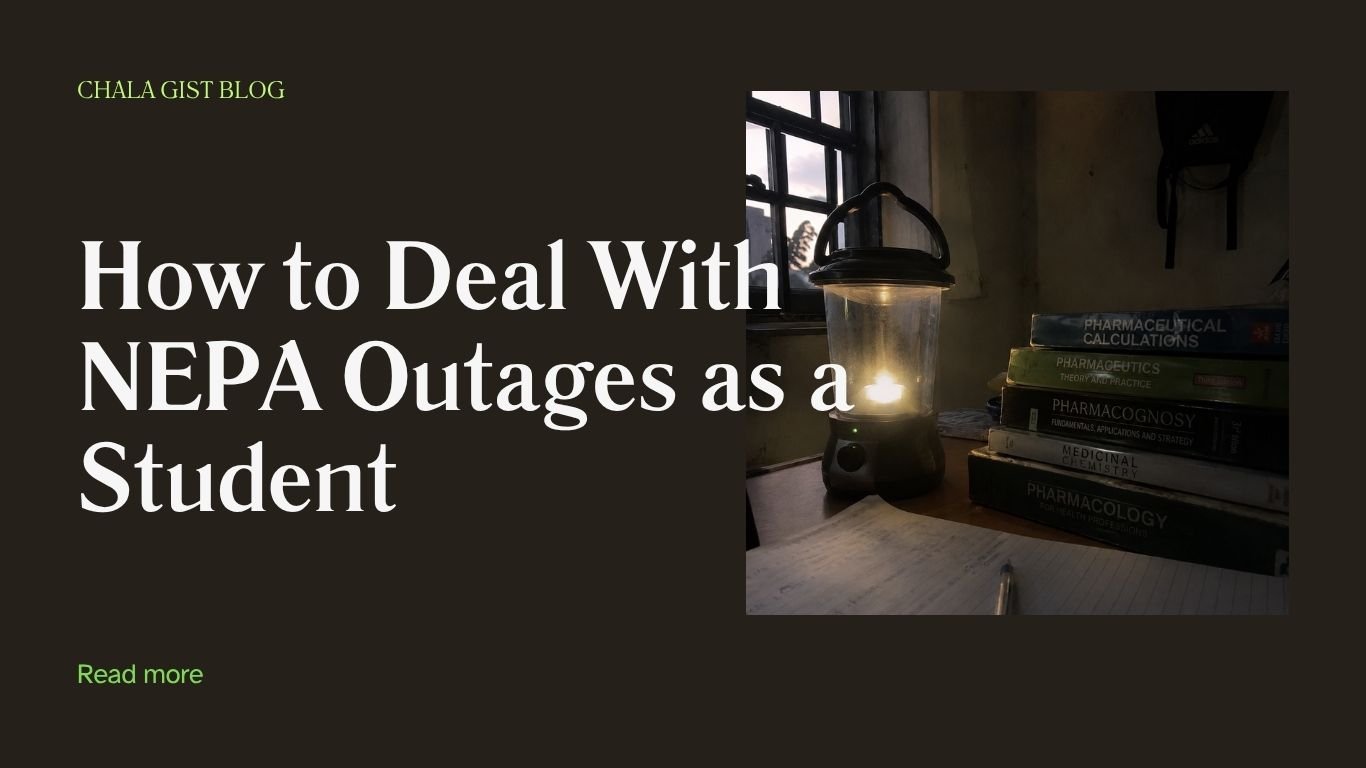
How to Deal With NEPA (Power) Outages as a Student

If you’ve ever been mid-assignment, laptop on 12%, and NEPA just… vanishes without giving a sign, you already know the kind of heartbreak I’m talking about. I remember the night before my CHEM 101 test when light went off at exactly 11:47pm and I had to finish reading with my phone torch leaned against a sachet water bag. Welcome to the shared trauma and wahala of every Nigerian student — the “up NEPA” prayer that never seems to get answered on time.
Power outages aren’t just an inconvenience when you’re a student. They mess with your reading schedule, spoil the small provisions in your cooler, kill your phone right when you need to submit an assignment online, and honestly, they can turn a peaceful hostel into a furnace by 9pm. But here’s the good news — with a bit of planning (and a few cheap gadgets), you can NEPA-proof your student life without spending like someone on trustfund money.
This guide breaks down exactly how to handle blackouts as a broke — sorry, budget-conscious — Nigerian student, from lighting and charging to keeping your food from spoiling and your sanity intact.
Why Understanding Your NEPA Pattern Matters
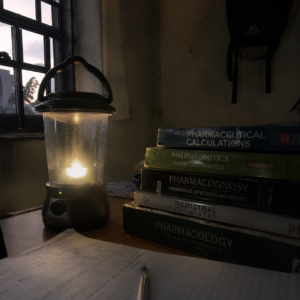
Rechargeable lantern on hostel reading table during NEPA blackout
Before you spend a single naira on solutions, spend a few days observing your hostel/area’s NEPA power pattern. In my hostel, light usually goes around 10pm and comes back around 12noon the next day. Some hostels get a fairly predictable schedule (light off by evening, back by midnight), while others are just chaotic just like mine. Knowing your pattern helps you decide what to invest in — someone with 2 hours of darkness a day needs different plan from someone dealing with 3 days of total blackout.
Talk to your neighbours or roommates who’ve been in the hostel longer than you. They’ll tell you the “unofficial NEPA timetable” that no app or website can give you.
1. Sort Out Your Lighting First
Darkness is the first enemy, and candles are not always your friend (open flame + inflammable hostel curtains + you sleeping = disaster waiting to happen). Here’s what actually works:
- Rechargeable LED lanterns/lamps — These are the MVP of hostel life. Charge them when light is around, and they’ll give you hours of light when it’s not. I use the “LONTOR” one I bought at Ogbete market in Enugu for ₦5,000 as of earlier 2026.
- Solar-powered lamps — A bit more expensive upfront but they charge from sunlight during the day, so you’re not even depending on NEPA to power your light source. Great for areas with really unpredictable schedules.
- Rechargeable table/study lamps — Specifically useful if you do most of your reading at a desk. Some even come with adjustable brightness, which is easier on the eyes than a phone torch.
- Emergency bulbs — These plug into your normal socket, charge while there’s light, and automatically switch on when power goes off. Good for general room lighting, not ideal for focused reading.
Naira Cost Breakdown (Lighting)
| Item | Estimated Price Range (₦) | Notes & Verified Sources |
| Small rechargeable lantern | ₦5,000 – ₦12,500 | Basic brightness, decent battery life. Everyday emergency brands like DP LED and Kamisafe populate this bracket. (Source: Jumia NG) |
| Rechargeable study/desk lamp | ₦5,800 – ₦12,500 | Best for reading. Most feature flexible necks, eye-protection filters, and 3-level touch dimming (e.g., Taigexin or Mythco). (Source: Jumia NG) |
| Solar lamp | ₦8,500 – ₦13,000 | No dependency on NEPA at all. Sun King Pico Plus or entry-level solar camping lanterns sit right here. (Source: Konga / Jumia NG) |
| Emergency bulb (auto-switch) | ₦3,000 – ₦13,600 | Plug and forget. Standard 9W smart emergency bulbs start around ₦3,000, while dedicated brands like DP or Kami cost a bit more. (Source: Sales366 / Jumia NG) |
| Torchlight/rechargeable touch light | ₦3,000 – ₦9,500 | Backup, good for moving around. Reliable pocket-sized Lontor or DP handheld units fall cleanly into this budget range. (Source: Jiji NG) |
A Few Quick Buying Tips
-
Battery Capacity (mAh): For lanterns and study lamps, prioritize anything above 2,000mAh. This ensures you get a solid 4 to 8 hours of continuous runtime when the power goes out.
-
The “Smart” Auto-Switch Bulbs: Double-check that the emergency bulb has a built-in “power supply sensor.” This is what lets the bulb distinguish between you turning off the light switch manually and a total grid blackout.
-
Solar Scaling: If you ever want to scale up from a basic standalone solar lamp to a multi-room setup (like a full Sun King Home panel system with multiple bulbs), expect the price to jump between ₦62,000 and ₦100,000+.
2. Keep Your Phone and Laptop Alive
Your phone is basically your lifeline as a student — for checking school portal updates, group chat assignments, and honestly, entertainment when you’re bored in the dark. Don’t let NEPA take that from you too.
- Power banks — Non-negotiable. Get one with a decent mAh capacity (10,000mAh and above) so it can survive multiple charges. Mine is a NEW AGE power bank I got for ₦30,000, a 33,000mAh power bank and it charges my phone about up to 8 times before dying.
- Charge during the “light hours” — Sounds obvious, but you’d be surprised how many students forget to charge everything (phone, power bank, lamp) the moment light comes, because they’re rushing to “enjoy” the light for other things first. Charge first, enjoy after.
- Business centers/charging points — Almost every campus area has these. It costs something small per device, but it’s a lifesaver when your area has gone days without power. The one close to my hostel charges around ₦200 per phone if not with your charger, but if you’re with charger it will be around ₦100.
- Solar chargers/panels — A bit of an investment, but if you’re serious about not depending on NEPA at all, a small solar panel with a battery pack can keep your essentials running indefinitely.
3. Don’t Let NEPA Spoil Your Food
This one hurts the most — coming back to spoiled stew or soft drinks that went warm right when you wanted them cold. Since most students don’t have (or can’t afford) a personal fridge that runs 24/7 anyway, here’s how to manage:
- Buy perishables in small quantities — Instead of stocking up on meat/fish for the whole week, buy just enough for a day or two, especially during unpredictable NEPA periods.
- Coolers with ice blocks — I buy ice blocks for ₦500 from a canteen just very close to my hostel and it keeps my cooler cold for about 4 to 5hours. Cheaper than running a fridge on generator fuel.
- Cook and finish — Nigerian food culture already leans towards this, but it’s worth repeating: cook what you’ll finish within the day when light is unstable, so nothing goes to waste.
- Shared fridge arrangements — Some hostels have communal fridges (sometimes running on a small inverter or generator). Splitting the cost of keeping it powered with roommates/floor-mates is cheaper than everyone struggling alone.
4. Beat the Heat Without Electricity
No light also means no fan, and Nigerian heat does not care about your assignment deadline.
- Battery-powered handheld fans — Small, cheap, and portable. [I got mine for ₦5,000 at Ogige market along the road leading to UNN nsukka.
- Rechargeable standing/table fans — A bigger investment but worth it if your area has long blackouts regularly. These charge like a phone and can run for hours.
- Cross-ventilation tricks — Position your window and door to create airflow. Sounds basic, but a lot of students don’t realize their room layout is blocking natural breeze.
- Cold water on wrists/neck — Old-school but it works when you have zero gadgets left with battery.
5. Consider a Group Power Solution With Roommates
If you’re in a self-contain with roommates, or even sharing a floor with close hostel neighbours, splitting the cost of a small solution is way cheaper than everyone buying separately.
- Mini inverter setup — For a small room, a basic inverter with one or two batteries can power your lights, fan, phone charging, and even a small TV. It’s an upfront cost but pays off if you’ll be in that hostel for a while. I know a friend that did it and it cost her roughly ₦80,000 for the complete setup.
- Fuel-shared generator — If your hostel already has access to a generator, contributing fuel money with others is far cheaper than each person buying separate gadgets.
- Split-cost solar setup — A shared small solar panel and battery system among 2–3 roommates spreads the cost while giving everyone reliable backup power.
Final Thoughts
NEPA wahala is one of those Nigerian student experiences almost nobody warns you about before you resume — but once you understand your hostel, lodge, or area’s pattern and invest in even one or two of these solutions, you stop living in fear of “up NEPA” gone become “up NEPA don go again.” Start small: a rechargeable lamp and a solid power bank will already solve 70% of your problems. Then build up from there as your budget allows.
MORE TO CHECK OUT:
How to Organize a Nigerian Hostel Room on a Small Budget
DIY Reading Table for Under ₦10k: How I Built Mine in a Weekend
How I Fixed My Leaking Tap in My Hostel Room Without Calling a Plumber
How to Decorate a Small Hostel or Lodge Room Without Spending Much As a Student
How to Make Your Room Smell Good and Stay Clean With Limited Space

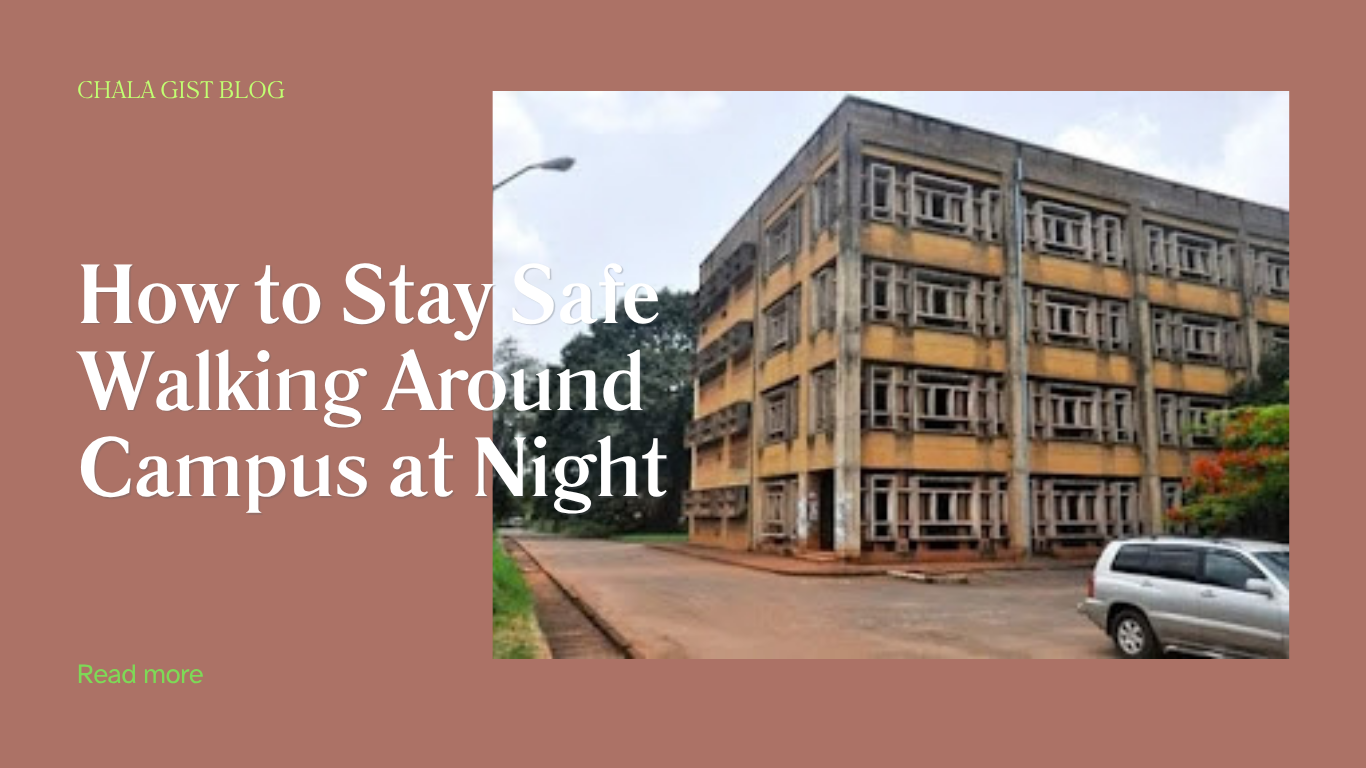
How to Stay Safe Walking Around Campus at Night
There’s a particular kind of tired that only hits you after a long night reading session, when you’re finally closing your books and the walk back to your room suddenly feels longer than it did in daylight.
I remember one particular night clearly. I’d been reading through the night at the Pharmacy Complex ahead of two exams scheduled back-to-back, and I was finally heading home after night class. A few minutes into the walk, along a stretch with no light close enough to matter, a group of guys walked up and demanded my phone. I tried explaining that I needed it for school, but they weren’t there for a conversation, and it turned physical before I let it go.
That’s really what this post is about — not scaring you off campus after dark, because for most of us that’s simply not realistic, but making sure the walk itself doesn’t have to be a gamble. A few consistent habits go a long way, and none of them require you to change your whole lifestyle.
Why Night Walking Is Just Part of Student Life Now

A View of Pharmacy Complex Building in UNN
If you’ve spent any time on a Nigerian university campus, you already know about TDB — “Till Day Break.” It’s the culture of reading through the night, usually in a faculty building, a reading room, or wherever has steady light and a bit of quiet, especially as exams close in. For a lot of students, TDB isn’t occasional; it’s practically a semester ritual.
The catch is that TDB culture means a lot more late-night and early-morning movement than people usually plan for. You go in at 10pm planning to read for “just two hours” and next thing it’s 4am and you’re walking back while the whole campus is dead quiet. Add night classes, project deadlines, and visiting a coursemate to finish an assignment, and you realize night walking isn’t really an exception in student life — it’s a fairly normal part of the routine that just doesn’t get talked about enough in terms of safety.
What makes TDB culture particularly tricky is the exhaustion factor. You’re not just walking at night — you’re walking at night while running on very little sleep, which is exactly when your alertness and decision-making are at their weakest. A lot of the small lapses that lead to uncomfortable situations (not noticing someone behind you, missing a turn onto a poorly lit shortcut, forgetting to charge your phone before heading out) happen not because students are careless, but because 3am-you is a much less alert version of the person who left the room at 10pm.
The Real (But Manageable) Security Picture
A Wider View of Pharmacy Complex Building in UNN
I’m not going to pretend campus security is a non-issue in Nigeria right now, because that wouldn’t be honest, and it wouldn’t be useful either. Several institutions around the country have had real security scares this year, and even UNN itself tightened things up earlier in 2026 — extra security personnel at entry points, some gates temporarily closed at night, and motorcycle movement paused inside the Nsukka campus at night — after a security rumor went round on social media. The university later confirmed there was no verified threat behind it, but the response itself tells you something useful: campus authorities take night safety seriously enough to act fast, even on an unconfirmed report.
That’s actually the right way to think about this. You don’t need to walk around campus jumpy or paranoid. You just need a small set of habits that you do automatically, the same way you automatically lock your door or charge your phone before bed. Most nights will be completely uneventful. The habits are there for the rare night that isn’t.
Before You Even Step Out

A view of Abuja building in UNN
A lot of night safety is decided before you leave your room, not during the walk itself.
- Charge your phone properly. A dead phone at 2am with nobody knowing where you are is a genuinely bad combination. Keep a power bank in your reading bag if your battery is unreliable.
- Tell someone your plan. A simple “I’m heading to the library, back by midnight” text to your roommate or a close coursemate costs nothing and means someone notices if you go quiet for too long.
- Know your route before you need it, not while you’re on it. Decide in advance which path you’re taking back, and prefer the one that stays closest to lit areas and other people, even if it’s slightly longer.
- Carry your ID card. Most campus security teams expect this, and it also just makes you easier to identify and vouch for if you’re ever questioned near a checkpoint.
- Dress for visibility if you can. Something as small as avoiding all-black on a genuinely dark route makes you easier to spot by security, okada riders, and other pedestrians.
Walking Habits That Actually Keep You Safer
Once you’re actually moving, a few habits matter far more than they get credit for.
- Stick to the well-lit, well-used paths, even if a shortcut through a quieter route saves you five minutes. UNN’s own security guidance has long advised students to avoid dark, isolated areas at night and to move with company where possible — that advice hasn’t expired.
- Walk with someone whenever you genuinely can. A group of two or three is a completely different equation from walking alone, and it costs you almost nothing to text a coursemate “I’m heading back now, you coming?”
- Keep at least one ear free, or skip headphones altogether on quieter stretches. Hearing footsteps behind you, a bike approaching, or someone calling out matters more than finishing your playlist.
- Stay off your phone screen while actually walking. Check messages before you set off or once you’re somewhere well-lit and populated, not with your head down mid-route.
- Trust a bad feeling over a “maybe I’m overreacting” thought. If a route, a person, or a situation feels off, change direction toward people and light. You’re allowed to be wrong about the danger and still make the safer call.
Common Night-Safety Mistakes Well-Meaning Students Make
Most students aren’t careless — they just don’t realize a small habit is working against them until something makes them notice. A few patterns worth watching for in yourself:
- Both earbuds in, volume up, on a quiet stretch. It feels normal because it’s how you’d walk in daylight too, but at night it removes one of your best early-warning systems: your hearing.
- Taking the “shorter” bush path because it saves five minutes. The math almost never works out in your favor — five saved minutes isn’t worth walking a route with no lighting, no foot traffic, and no easy way to call for help if something goes wrong.
- Flashing your phone screen at full brightness while walking. Beyond draining your battery faster, a bright screen in a dark area makes you easier to spot from a distance and harder for your own eyes to adjust to your surroundings.
- Assuming “I do this every night, nothing has ever happened” means nothing ever will. Familiarity is exactly what makes people relax the habits that were actually protecting them.
- Not knowing whether motorcycle or okada movement is restricted at night on your campus. Rules like this can change quickly — as UNN students saw when motorcycle operations inside the Nsukka campus were paused at night earlier this year — so it’s worth staying updated rather than assuming the usual arrangement still applies.
None of these mean you’re doing something wrong as a person. They’re just small adjustments that, once you notice them, are easy to fix.
Tech Habits Worth Building Into Your Routine
A few small tech habits have become genuinely common among students recently, and they’re worth adopting if you haven’t already.
- Share your live location with a roommate or close friend on WhatsApp when you’re heading back late — it takes ten seconds and means someone can actually see where you are if you go quiet.
- Save your campus security line and SUG welfare/safety contact in your phone, not buried in a group chat you’d have to scroll to find at 1am.
- Keep a flashlight app or your phone’s torch easily accessible — one tap, not three menus deep — for stretches where campus lighting is unreliable.
- Use a “arrived safely” text as a habit, not just when something feels risky. A quick “back in my room” message to whoever you told your plan to closes the loop properly.
What to Do If Something Feels Off
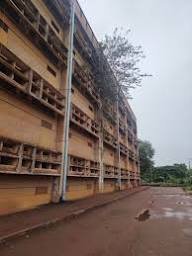
Computer science view of abuja building in UNN
If you ever sense something is wrong while walking at night, the priority is simple: get to people and light, not to prove or disprove what’s happening.
Move toward the nearest lit, populated area rather than continuing on an isolated stretch. Call a friend or your campus security line as you move, even if you’re not fully sure yet whether it’s serious — it costs you nothing to be cautious and everything to wait too long. Avoid confronting anyone directly; your job in that moment is to get safe, not to handle the situation single-handedly. And afterward, report what happened to campus security or your SUG welfare desk, even if nothing dramatic occurred — patterns matter, and reported near-misses are part of how security teams know where to focus.
My Honest Corner
That pharmacy complex night is really the reason this post reads the way it does.
I’d been reading straight through, running on almost no sleep, with two exams stacked back-to-back over the next two days. By the time night class ended, all I wanted was to get back to my room and grab whatever rest I could manage. A few minutes into that walk, on a stretch of road sitting in a dead zone between two lit areas, a group of guys came up and asked for my phone. I tried to talk my way out of it — told them it had things I genuinely needed for school — but they weren’t interested in a conversation. It got physical quickly, and by the time I finally let the phone go, I’d taken more than I want to relive in detail here.
I’m not sharing that for sympathy. I’m sharing it because it’s exactly the situation this whole article is built around: an unlit stretch, exhaustion from an all-night reading session, and being completely alone on a route with nobody close enough to help. I can’t honestly say I could have avoided it that night, but it’s a sharp reminder of why sticking to lit paths and walking with someone — even when you’re too tired to think straight — actually matters, and why I take those habits far more seriously now than I did before.
Building a Culture of Looking Out for Each Other
One of the more encouraging shifts I’ve noticed lately is how normal it’s become for students to build informal “walk back together” habits within their own circles — coursemates, lodge-mates, department classmates. Nobody needs to organize it officially; it usually starts with one person texting “who’s still around, let’s walk back together” in a class group chat, and it becomes a habit from there.
That kind of small, consistent looking-out-for-each-other does more for actual night safety than any single tip on this page. If you’re not already in a group chat that does this, it’s worth starting one yourself — you might be surprised how many people were quietly hoping somebody would.
Frequently Asked Questions
Is it actually dangerous to walk around Nigerian campuses at night? Most nights pass without any issue at all, but risk isn’t zero, especially on dark or isolated routes. The goal isn’t fear — it’s building habits that quietly lower your risk without changing how you live.
What is TDB and why does it matter for night safety? TDB (“Till Day Break”) is the popular culture of reading through the night, especially close to exams. It’s a big part of why so many students end up walking back to their hostel or lodge at odd hours, which is exactly why simple night-safety habits are worth having.
Should I use headphones while walking at night? Keep at least one ear free, or skip them entirely on quiet, isolated stretches. Hearing your surroundings matters more than finishing a song.
What should I do if I feel unsafe while walking? Move toward the nearest lit, populated area, call someone as you go, trust your instinct, and avoid confronting anyone directly. Report it afterward even if nothing serious happened.
Is it safe to walk alone at all? It’s always safer with company, but if you must walk alone, stick to well-lit, well-used routes, share your live location with someone, and let a friend know your plan before you set off.
Final Thoughts
Walking around campus at night isn’t something you can just avoid as a student — TDB alone guarantees that. But safety here isn’t about paranoia; it’s about a handful of habits you do automatically, the same way you lock your door without thinking about it. Know your route, tell someone your plan, stay in lit and populated areas, and build the kind of friend group that texts “let’s walk back together” without anyone having to ask twice.
For more on settling into campus and off-campus life without unnecessary stress, check out our guide to dealing with landlords off-campus and our guide to surviving NEPA outages.
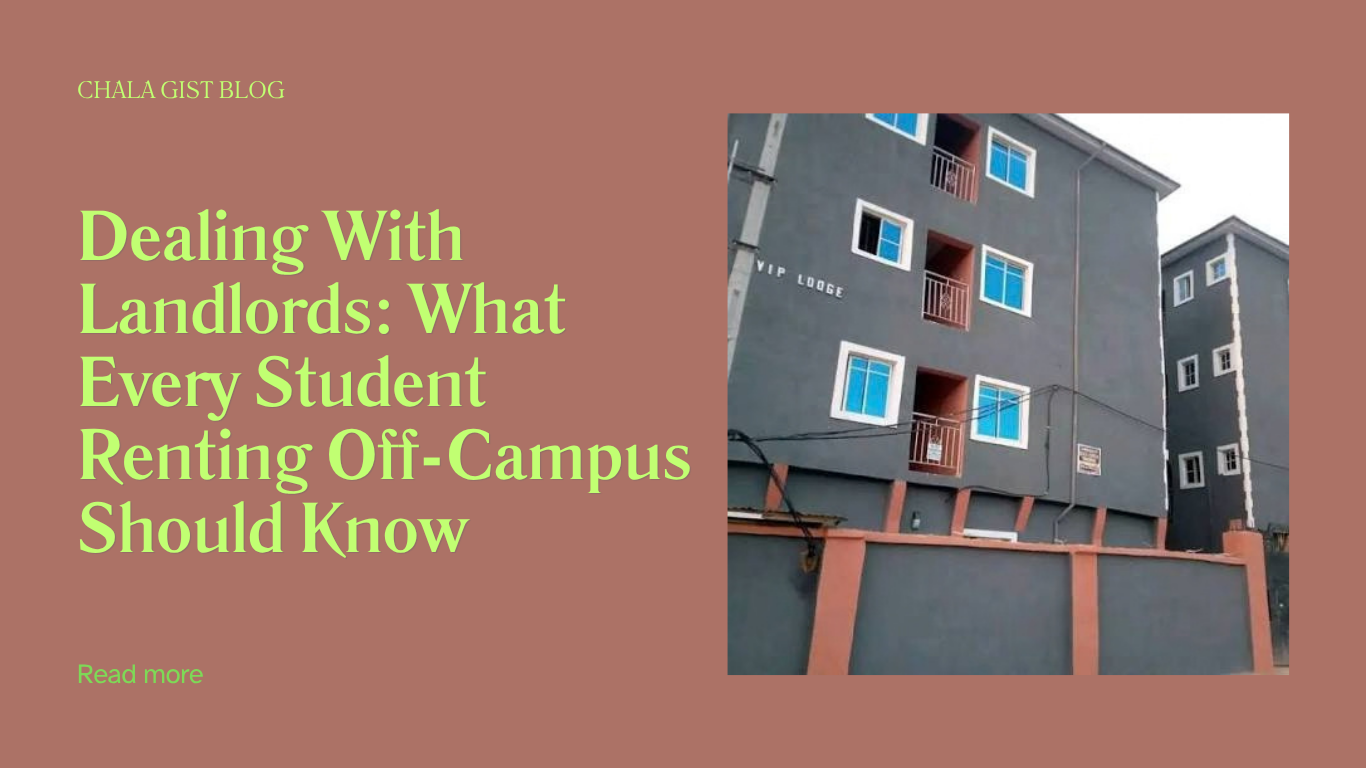
Dealing With Landlords: What Every Student Renting Off-Campus Should Know
The first time I moved off-campus, I thought the hard part was finding a room. I was wrong. The hard part started the day I actually had a landlord to deal with.
I stay at Hilltop, and for close to six months, the whole lodge had no running water. Not just my room — every single tenant in the compound was affected. We complained to the caretaker so many times it stopped feeling like a complaint and started feeling like a greeting. When rent season came around again and it was time to renew, I made a decision that surprised even me: I wasn’t paying until something changed. Not out of spite, just because handing over full rent for a lodge that couldn’t guarantee basic water felt like agreeing the situation was fine when it clearly wasn’t.
That experience is basically why I’m writing this post. Every session, a fresh batch of students moves off-campus at UNN — some running from hostel congestion, some just wanting privacy — and almost all of them learn the landlord lessons the hard way. Nobody hands you a manual for this. So here’s the one I wish somebody had handed me: how to deal with landlords in Nigeria as a student, without losing your money, your peace of mind, or your semester.
Why More Students Are Moving Off-Campus in 2026
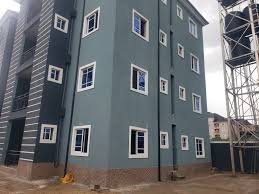
If you’ve been on the UNN hostel portal lately, you already know the math doesn’t add up. Hostel space at Nigerian universities has not grown anywhere near as fast as student enrolment has, and UNN is no exception — the quota system splits limited bed spaces across first years, finalists, postgraduates, and “friends of the university,” which leaves a lot of regular students without a guaranteed bed.
So off-campus becomes the default, not really a choice. You get more privacy, you can cook your own food without hostel restrictions, and you’re not sharing a room with three other people whose sleep schedule is nothing like yours. But off-campus living also means you’re now dealing directly with a landlord (or his agent, or his “caretaker” — Nigerian landlords love a good caretaker), and that relationship comes with its own wahala if you don’t go in prepared.
The Nigerian Rent Reality You Need to Understand First
Before you even start room-hunting, you need to understand the market you’re stepping into, because it explains a lot of landlord behaviour that would otherwise just look like wickedness.
Rent across Nigeria has been climbing hard. Housing analysts tracking the 2026 market are projecting rents could still rise by roughly another 12 to 20 percent this year, on top of the sharp increases already recorded since 2023. A big part of the reason is that building materials got brutally expensive — a bag of cement that went for around ₦7,500 in late 2025 was already selling for ₦11,500 to ₦15,000 by early 2026. Landlords who aren’t even building anything new still use that replacement cost as their excuse to hike your rent, because “that’s what it would cost me to rebuild this place today.”
On top of that, Nigeria’s national housing deficit runs into tens of millions of units, so in any university town, demand for rooms will always outrun supply. Even the National Association of Nigerian Students has publicly raised alarm about off-campus rent becoming unsustainable for ordinary students, warning that some hostels near certain universities now go for over a million naira a year. Nsukka isn’t Lagos or Abuja, so our numbers are smaller, but the same pressure is very real here — self-contain and single-room rents in and around Nsukka town currently sit somewhere between ₦300,000 and ₦600,000 a year depending on the area, finishing, and how “fine” the landlord decides to price his own building.
None of this is meant to scare you. It’s meant to help you negotiate from a place of understanding instead of shock. When you know why prices are moving, you stop taking every rent conversation personally, and you start asking better questions.
The Common UNN Off-Campus Areas (and What to Expect)

Most students end up in one of a handful of areas around UNN Nsukka: Odim, Behind Flat, Hilltop, and Odenigwe. Each has its own personality.
- Odim — generally closer to campus, decent option if you hate long treks or okada fares eating your monthly allowance.
- Behind Flat — a popular, densely populated student zone, lots of self-contains built specifically for students, competitive pricing because of the sheer number of landlords competing for tenants.
- Hilltop — where I currently stay. It’s very close to the Faculty of Education and the VTE (Vocational and Technical Education) department, and also close to some of the girls’ hostels inside school, which makes it convenient if you have lectures in that direction. That said, water supply can be a real issue in some lodges here — ask specifically about the water source before you commit, not just the rent price.
- Odenigwe — is next to hilltop before entering into the major towns in Nsukka
I’m leaving Odenigwe open because you know its current, on-the-ground realities better than any article can — a “good” area last session can change fast once a new set of landlords starts building or an existing one starts cutting corners.
Whatever area you land on, don’t decide based on photos an agent sends you on WhatsApp. Go and inspect physically, at different times of day if you can, and check the water source, the electrical wiring, and the state of the toilet and bathroom before you drop a single naira.
Red Flags: How to Avoid Agent Scams Before You Pay Anything
This is where most freshers get burned. UNN off-campus housing has a well-known problem with fake or dishonest house agents — some of them are literally fellow students who spot an opportunity to extort new students who don’t yet know how things work locally.
Watch out for these patterns:
- Pressure to pay immediately. A genuine landlord or agent will let you go home, think, and come back. Someone rushing you to “pay now before another person takes it” is running a script, not showing you a real opportunity.
- “Inspection fees” for rooms that mysteriously become unavailable. If you keep getting told the room you paid to inspect is “just taken” and you’re pushed to another one, that’s a pattern, not bad luck.
- No proof the person actually owns or manages the property. Ask for the landlord’s direct contact, not just the agent’s number. A legitimate agent won’t be threatened by you wanting to confirm ownership.
- Refusal to give a receipt. Any money you hand over — inspection fee, agency fee, or rent itself — should come with a signed, dated receipt with the collector’s name and phone number on it.
- Impatience when you ask questions. Real agents answer questions. Scammers get irritated because questions slow down the con.
If something feels off, trust that feeling and walk away. There will always be another room. There won’t always be another chance to get your money back.
The Tenancy Agreement: Your Actual Protection
A lot of students skip the paperwork because “everybody here just agrees verbally, it’s normal.” It might be normal, but it’s also how disputes turn into he-said-she-said situations you can’t win.
Insist on a written tenancy agreement, even a simple one-page document, that includes:
- Full names of both landlord and tenant, and the exact address of the property
- The agreed rent amount and what period it covers (per session, per year, etc.)
- Duration of the tenancy and the renewal terms
- What happens to your deposit or “caution fee” when you move out, and under what conditions it’s deducted or refunded
- Who is responsible for which repairs (structural issues are usually the landlord’s job; things you break yourself are usually yours)
- The notice period required before either party can end the tenancy
Both parties should sign it, and you should keep your own copy — a photo on your phone is not enough; keep the physical paper somewhere safe, and back it up with a photo too. If your landlord resists putting anything in writing, treat that resistance itself as useful information about how he plans to handle future disagreements.
Know Your Rights as a Tenant (Yes, Even as a Student)
A lot of landlords count on tenants — especially young students — not knowing the law. Here’s what generally holds across Nigerian states, though the specifics vary slightly depending on your state’s tenancy law:
- You’re entitled to a notice before eviction. Typical statutory minimums are one week for a weekly tenancy, one month for a monthly tenancy, three months for a quarterly tenancy, and six months for a yearly one — unless your signed agreement says otherwise. A landlord cannot just wake up and tell you to pack out same day.
- Self-help eviction is illegal. A landlord cannot lock you out, remove your door, seize your belongings, or use thugs or police to throw you out without going through the proper legal process, even if you owe rent. That’s trespass, not enforcement.
- The property must be fit for the purpose it’s rented for. If there’s a serious structural issue — bad wiring, a collapsing ceiling, no functional toilet — the landlord is expected to fix it, not just collect rent and disappear.
- Your landlord needs notice before entering. He can’t just walk into your room whenever he feels like it. Reasonable notice and reasonable hours apply, except in a genuine emergency.
- Excessive advance rent demands can be challenged. Some states cap how many months or years of rent a landlord can legally demand upfront. Even where the law is less clear, a demand for two or three years’ rent from a student on an irregular allowance is a conversation worth pushing back on, not just accepting.
If a dispute escalates beyond what conversation can fix, your Student Union Government’s welfare desk, a campus legal aid clinic (where available), or a local Citizens’ Rights office can usually point you toward the nearest Rent Tribunal or mediation option. You don’t have to fight it alone, and you definitely don’t have to fight it silently.
Common Landlord Wahala and How to Handle Each One

VIP Lodge at Vet mount, Odim
“Caretaker” won’t fix a real problem. Report it in writing (a text message counts) so there’s a timestamped record that you flagged it. If it drags on, involve the landlord directly, not just the caretaker.
Sudden rent increase mid-session. Politely ask for the increase in writing and reference your existing agreement’s terms. A mid-term increase outside your agreed renewal date is usually not enforceable.
NEPA and generator disputes. Get very clear, before you move in, on who’s responsible for fuel, generator maintenance, and any “light levy” — this detail alone causes more landlord-tenant fights among students than almost anything else.
Deposit not refunded after move-out. Do a walk-through inspection with the landlord or caretaker before you hand back the key, take photos of the room’s condition, and get written acknowledgment that you’ve returned it in good shape.
Landlord shows up unannounced. Calmly remind him of the agreed notice terms. Most landlords back down once they realise you actually know the agreement, not just remember it loosely.
My Honest Corner
That water situation at Hilltop I mentioned earlier is the clearest lesson I’ve learned about dealing with landlords, so let me finish the story properly.
For almost six months, nobody in the lodge had running water. It wasn’t a small inconvenience — it affected everybody’s bathing, cooking, washing, everything. We raised it repeatedly, first with the caretaker, then directly with the landlord, and each time we got a reason that sounded plausible but never turned into action. So when it was time to renew rent, I held mine back and told them plainly that I’d pay once the water problem was actually fixed, not before.
I wasn’t the only one who felt that way — pretty much every tenant in the lodge was frustrated by then, and once it became clear that a good number of us were serious about not paying until something changed, the landlord moved a lot faster than he had in the previous six months. It still took some back and forth before the water was properly restored, but it got sorted. What that experience taught me is simple: a landlord who won’t respond to complaints will often respond to money, and there’s nothing wrong with using the one form of leverage you actually have — as long as you’re not owing out of laziness, but standing your ground on something genuinely unresolved.
Building a Good Relationship With Your Landlord
Not every landlord is out to get you, and honestly, a lot of the “wahala” stories go both ways — some students genuinely delay rent, damage property, or disappear without notice, and that shapes how the next tenant gets treated too.
One trend I’ve noticed getting more common lately is landlords and tenants keeping a simple WhatsApp group or direct line open for the whole compound, just for maintenance issues, rent reminders, and general updates. It sounds small, but it cuts down a lot of the miscommunication that turns into full-blown disputes. Pay on time when you can, communicate early when you can’t, keep the compound clean, and treat the property like it’s yours to take care of, not just yours to use. A landlord who trusts you is a landlord who’s easier to negotiate with when something genuinely goes wrong.
Frequently Asked Questions
Can my landlord increase my rent whenever he likes? No. Increases should apply at your renewal date, not randomly in the middle of your paid term, and unreasonable hikes can be challenged through mediation or a Rent Tribunal where one exists in your state.
Can a landlord lock me out without a court order? No. Self-help eviction is illegal in Nigeria. A landlord must serve proper notice and, if you don’t leave, get a court to authorise repossession.
Do I really need a written agreement as a student? Yes. Even a simple, signed one-page document protects you far more than any verbal promise, however “trusted” the landlord seems.
What notice period should I expect before a tenancy ends? It depends on your tenancy type and state, but common minimums are one week (weekly), one month (monthly), three months (quarterly), and six months (yearly) tenancies, unless your agreement states differently.
What should I do if my landlord refuses to fix a serious problem? Report it in writing first, give a reasonable timeframe, and escalate to your SUG welfare desk or a legal aid contact if it’s ignored — don’t just keep managing an unsafe or unliveable situation in silence.
Final Thoughts
Dealing with landlords isn’t something they prepare you for in JAMB or in any orientation lecture, but it’s one of the most useful survival skills you’ll pick up as a student living off-campus. Go in informed, get everything in writing, know which rights are actually yours, and don’t let fear of “wahala” stop you from asking the questions that protect your money and your peace.
If this helped, check out how to handle electrical problems in your self-contain and our guide to surviving NEPA outages for more on settling into off-campus life without losing your mind — or your allowance.
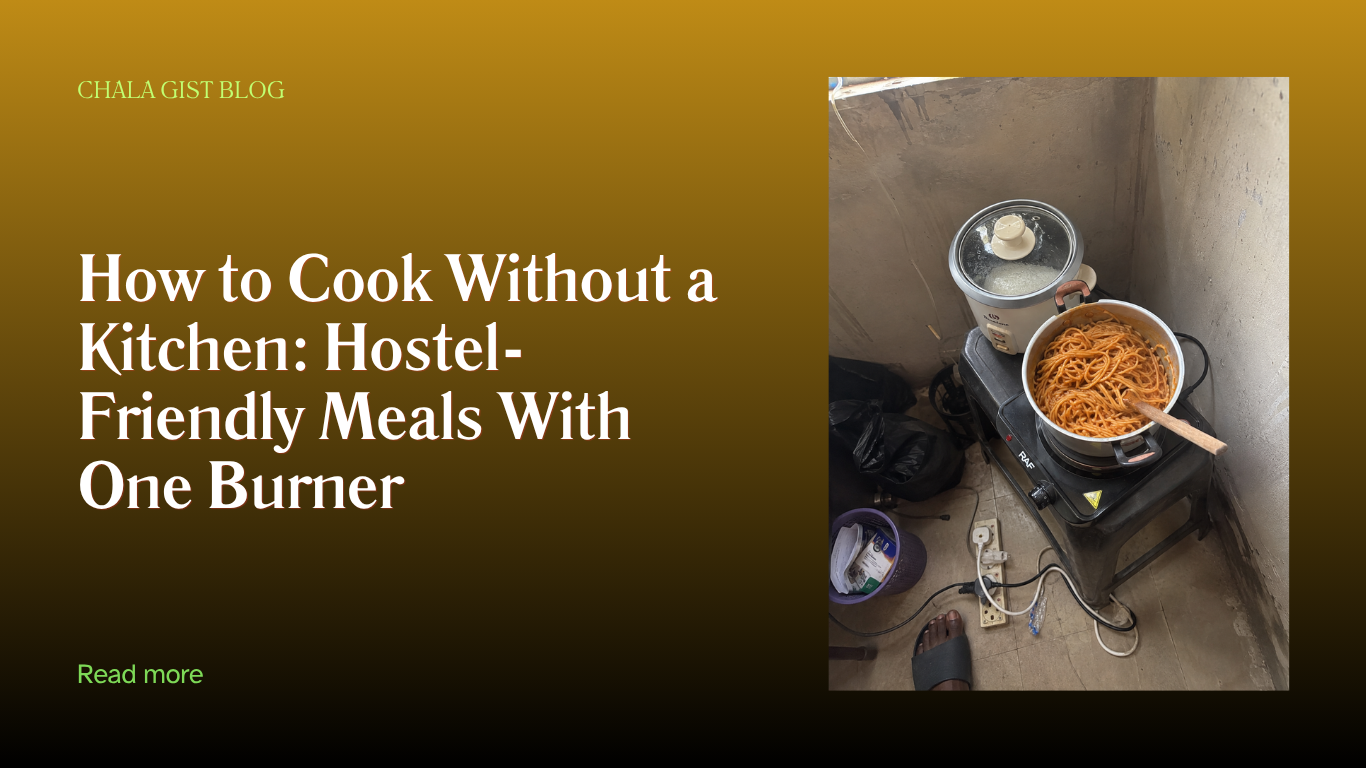
The first time I realized I could actually cook — not just microwave garri and hope for the best — in a hostel room with no kitchen, no gas cylinder, and barely enough space to swing a rat, was the day I stopped spending close to ₦8,000 a week on food I didn’t even enjoy. I remember counting my money that Sunday night, looking at what was left before the next allowance, and just feeling tired. Tired of buying rice that was half cold by the time I got back to my room, tired of paying for portions that never filled me up, tired of eating the same boring plate every single day because it was the only “affordable” option close to my hostel. That was the week I asked my roommate if I could borrow her small rice cooker “just to try.” I never gave it back. Not long after, I saved up and got my own single burner too, and that combination changed how I ate for the rest of my time in school.
If you’re reading this, you probably already know the wahala. Hostel rent doesn’t come with a kitchen. Cafeteria food is either too expensive, too far, or simply not available past a certain hour. And “mama put” outside school gate is eating deep into a budget that was never designed for three meals a day at ₦1,000 to ₦1,500 a plate. So you improvise. And in Nigerian hostels, improvising usually means one thing: a single burner, a rice cooker, or both, tucked quietly in a corner of your room.
This guide is everything I’ve learned — sometimes the hard way — about cooking real, filling, Nigerian meals in a room that was never meant to have a kitchen in it. No fancy equipment. No gas cooker. Just one burner, one rice cooker, and a bit of common sense.
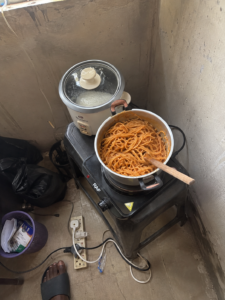
Single burner and rice cooker set up in a Nigerian hostel room corner
Why Learn to Cook Without a Kitchen in the First Place?
Let’s be honest about the math first. A decent plate of rice and stew outside school can go for anywhere between ₦1,000 and ₦1,800, depending on where you school. Multiply that by three meals a day, seven days a week, and you’re looking at a food budget that rivals your tuition. Cooking even half your meals in your room can cut that number dramatically — and the food tastes better because you made it the way you like it.
There’s also the time factor. Between lectures, assignments, and that one lecturer who loves impromptu tests, walking to a food joint and back can eat up an hour you don’t have. A single burner meal or a rice cooker dish can be started before you leave for a 2-hour class and be ready — or nearly ready — by the time you’re back.
And then there’s control. When you cook your own food, you know exactly what went into it. No guessing about how long that stew has been sitting in a pot outside in the sun, or whether the oil was changed today or three days ago. For students managing tight budgets and unpredictable schedules — which is basically all of us — learning to cook without a kitchen isn’t just a skill. It’s survival.
Safety First: What You Need to Know Before You Start
I need to be upfront about this because it matters more than any recipe I’ll share below. Most Nigerian hostels — private or on-campus — have strict rules against cooking appliances in rooms. Some schools tolerate rice cookers because they’re seen as “safer,” while open burners (gas or electric coil) are more likely to get you queried or even sanctioned if discovered. My own hostel didn’t officially allow either one, if I’m honest, but almost every room on my floor had something hidden somewhere — a rice cooker under the bed, a burner wrapped in a wrapper inside a box. Check what your own hostel allows before you buy anything, and don’t assume that because “everybody dey do am,” you won’t be the one caught.
Before you plug in anything, keep these safety rules close:
- Never leave a burner or rice cooker unattended. This is the single biggest cause of hostel room fires. If you must step out, switch it off first.
- Keep it away from curtains, mattresses, and clothes. Cooking appliances get hot, and Nigerian hostel rooms are often cramped with fabric everywhere.
- Use a socket that can handle the load. Many hostel rooms have old wiring. Overloading one socket with a burner, phone charger, fan, and reading lamp at once is how you get sparks — or worse. [Link to: Fixing Common Hostel Electrical Issues Safely]
- Ventilate the room. Cooking indoors without airflow builds up smoke and heat fast. Crack a window or door if you can.
- Store your appliance out of sight when hostel officials are doing room checks, if your school prohibits cooking devices. I’m not encouraging you to break rules, but if you choose to cook despite a ban, discretion protects you from losing the appliance — or facing disciplinary action.
- Know your fire response. Keep a small fire extinguisher, a bucket of sand, or at minimum, know where the nearest one is on your floor.
None of this is meant to scare you off. Thousands of Nigerian students cook safely in their hostel rooms every single day. It just takes a bit of discipline.
The Two Tools: Single Burner vs. Rice Cooker
Before jumping into meals, it helps to understand what each tool does best, because they’re not interchangeable.
The single burner (electric coil or infrared burner) is your stovetop replacement. It gives you direct, adjustable heat, which means you can fry, boil, and simmer the way you would on a normal gas cooker. It’s more versatile but needs more attention — you’re standing over it, stirring, adjusting heat, watching for burns.
The rice cooker, on the other hand, is a “set it and let it work” tool. Modern rice cookers (even the basic ₦8,000 to ₦12,000 ones sold around campus) aren’t just for rice — they can steam, stew, and even fry lightly if you’re careful. The trade-off is less control over heat, but far less supervision needed. This makes it perfect for when you’re heading to a lecture and want food ready when you’re back.
My honest recommendation? If you can only afford one, start with a rice cooker — it’s generally considered the “quieter” option in hostels because it’s a closed pot with no open flame or exposed coil, and it does double duty as a food warmer. That borrowed rice cooker from my roommate was genuinely the best “accidental” decision of my school life. If your budget allows both, you’ll have way more flexibility, which is why I eventually added a single burner once I had saved a little extra from a small hustle I was running that semester.
Building Your Hostel Pantry
Good hostel cooking starts before you even switch anything on — it starts with what’s sitting in your cupboard. Here’s the core list I always keep stocked:
Grains and staples: rice, spaghetti/pasta, indomie noodles, garri, semovita or a similar swallow
Proteins (shelf-stable): canned sardines or mackerel, dried/smoked fish, crayfish, eggs (last surprisingly long unrefrigerated for a few days), tin tomatoes
Seasoning: Maggi/Knorr cubes, curry powder, thyme, dried pepper, salt, groundnut oil or vegetable oil, onions (they keep well without a fridge)
Vegetables that don’t need refrigeration long-term: onions, garden eggs, dried ugu (pumpkin leaf), carrots (last a while)
Extras worth having: a small tin of milk, sugar, oats, a bag of beans
The beauty of this list is that almost everything on it is non-perishable or close to it, which matters a lot when you don’t have a fridge. A well-stocked pantry means you’re never more than 15–20 minutes away from a real meal, no matter how broke or busy the week gets.
For the full breakdown with prices, see our Nigerian Student Foodstuff Shopping List guide.
Single Burner Meals That Actually Work
1. Jollof Spaghetti (One Pot, One Burner)
This is probably the single most useful dish I make in my room. Boil your spaghetti separately if you have a second small pot, or par-boil it in the same pot you’ll fry in — either works. Fry onions and a spoon of tin tomato paste in oil until the raw smell disappears, add a little water, your seasoning cubes, curry, and thyme, then toss in the boiled spaghetti and mix until every strand is coated. Ready in under 20 minutes. This was my go-to on nights when I had a test the next morning and needed something quick but still filling enough to keep me reading past midnight.
Estimated cost: ₦600 per serving
2. Egg and Sardine Stir-Fry With Bread
For mornings when you’re rushing to a 7 a.m. class, this is unbeatable. Fry chopped onions and pepper lightly, crack in your eggs, break the sardines into the pan, season, and scramble everything together. Eat with bread on the side. Ten minutes, start to finish.
Estimated cost: ₦500 per serving
3. Simple Beans Porridge (Ewa Aganyin Style)
Boil your beans until soft (this takes the longest, so start it before you go for a lecture if you’re using a low, steady heat). Once soft, mash slightly and stir in palm oil, pepper, onions, and a seasoning cube. Serve with bread, garri, or plantain if you have it.
Estimated cost: ₦450 per serving
4. Indomie Deluxe
Not exactly groundbreaking, but the trick is in the “deluxe” part — fry an egg first, add chopped onions and a bit of your leftover stew or sardine if you have it, then cook the noodles in the same pot instead of separately. It turns a boring 2-minute meal into something that actually fills you up. This was my “I have no money till Friday” meal, and honestly, it never once felt like punishment food.
Estimated cost: ₦400 per serving
Rice Cooker Meals That Feel Like Home
1. Concoction Rice (Sapa Rice)
This is the ultimate broke-student meal, and honestly, one of the tastiest. Rinse your rice, add it to the cooker pot with a bit of palm oil, chopped onions, pepper, tin tomato or fresh tomato, seasoning cubes, and whatever protein you have — sardines, dried fish, or leftover meat — then add water and let the rice cooker do its job. Everything cooks together, and the flavors soak right into the rice. This is exactly the kind of dish Nigerian students have relied on for generations when money is tight but you still want a proper, satisfying plate. I made this more times than I can count in my second year, especially the week before my allowance dropped, and it never once felt like “sapa food” — it tasted like something my mother would have made on a Saturday afternoon. Link to: Complete Guide to Setting Up Your Hostel Room
Estimated cost: ₦550 per serving
2. Rice Cooker Jollof Rice
Fry your onions, tomato paste, and pepper mix lightly in the rice cooker on the “cook” setting first (some cookers allow this, others don’t — check yours), then add your rinsed rice, stock, and seasoning, and let it cook through. If your rice cooker doesn’t allow frying inside the pot, pre-fry the stew base in a small pan on your burner, then transfer everything into the rice cooker to finish cooking the rice.
Estimated cost: ₦700 per serving
3. Steamed Egg and Vegetable Rice
Add rice and water as normal, and once it’s about halfway cooked, place a small heatproof bowl with beaten eggs and chopped vegetables on top of the rice to steam while the rice finishes. You end up with two components of a meal cooked at once, using only one appliance and barely any active effort.
Estimated cost: ₦600 per serving
4. Beans and Rice Cooker Porridge
Because beans take a while to soften, this works best if you pre-soak them overnight in a bit of water. In the morning, add the soaked beans, rice or yam chunks, palm oil, pepper, onions, and seasoning to the rice cooker, add enough water, and let it cook until everything is soft and well blended.
Estimated cost: ₦500 per serving
Weekly Cost Comparison: Cooking vs. Buying Food Outside
| Cooking In Room (per week) | Buying Food Outside (per week) | |
|---|---|---|
| Average cost | ₦4,500 to ₦6,000 | ₦12,000 to ₦16,000 |
| Time spent | 20 to 40 mins/day | 45 to 70 mins/day (including walking/queueing) |
| Control over ingredients | Full | None |
| Convenience during exams | High (batch cook ahead) | Low (limited hours, long queues) |
These are rough estimates based on my own spending pattern when I switched from buying food outside to cooking most of my meals in my room. Your numbers may vary depending on your school and location, but the gap is usually this wide no matter where you school.
Cleaning Up Without a Kitchen Sink
One thing nobody warns you about is that cooking in your room means washing up in your room too — often in a small bucket or a shared bathroom sink. A few things that make this less painful:
- Wash your pot immediately after eating, before the food dries on and becomes a scrubbing nightmare.
- Keep a small bottle of dish soap and a sponge dedicated only to cooking items — don’t mix it with your bathing sponge.
- Air-dry your pot and cooker liner somewhere with ventilation, not directly on your bed or study table, to avoid dampness and smell.
- Empty and rinse your rice cooker’s steam vent occasionally — leftover starch builds up there and can cause a burning smell over time.
Common Mistakes First-Timers Make
Cooking with the door and windows sealed. This traps smoke, heat, and smell, and it’s often what gets people caught by hostel officials in schools where cooking isn’t allowed. Always ventilate.
Overloading a single socket. Between your burner, phone charger, fan, and reading lamp, hostel wiring can only take so much. I learned this one the hard way when my socket sparked and tripped the whole room’s light while I was mid-cook. Fixing Common Hostel Electrical Issues Safely (What You Can and Can’t DIY)
Not budgeting for NEPA outages. If your area has unpredictable power supply, a single meal plan built entirely around electric cooking can leave you stranded. Always have a backup — a small stock of bread, garri, or noodles you can prepare with minimal power. Dealing With NEPA Power Outages as a Nigerian Student
Buying too much perishable food at once. Without a fridge, that “bulk buy to save money” mentality backfires fast. Buy proteins and vegetables in quantities you’ll actually use within a few days.
Frequently Asked Questions
Is it safe to use a rice cooker in a hostel room? Generally yes, when used responsibly — never left unattended, kept away from flammable materials, and used on a socket that isn’t overloaded. Still, check your specific hostel’s rules, as some schools restrict all cooking appliances.
Can I actually fry things in a rice cooker? Basic models can lightly fry or sauté on the “cook” setting, though they won’t get as hot as a proper frying pan. It works fine for softening onions or lightly browning ingredients before adding rice and water.
What’s cheaper long-term: a single burner or a rice cooker? A rice cooker is usually cheaper to run because it uses less power per meal and needs less supervision, meaning you’re not tempted to abandon it mid-cook. A single burner gives you more versatility but slightly higher electricity use if you’re cooking multiple dishes separately.
How do I stop my room from smelling like a kitchen? Ventilate while cooking, wash up immediately, and consider keeping a small air freshener or scented sachet. Avoid cooking anything with strong, lingering smells (like dried fish) right before you need to sleep or have visitors.
In a wrap
Cooking without a kitchen isn’t about having less — it’s about learning to work with what you have. Looking back, that one rice cooker I borrowed and never returned taught me more about managing money and taking care of myself than almost anything else in school. It saved me money I didn’t know I was wasting, and it made hostel life feel a little less like survival and a little more like home. Once you get comfortable with a single burner and a rice cooker, you’ll realize you don’t need a full kitchen to eat well in hostel. You just need a plan, a bit of patience, and the willingness to try.
If you’re still setting up your room from scratch, check out our Complete Guide to Setting Up Your Hostel Room for everything else you’ll need before exam season hits.


How to Stay Safe Walking Around Campus at Night

Dealing With Landlords: A Student’s Off-Campus Guide

How to Do Laundry Without a Washing Machine (Fast Guide)

DIY Reading Table for Under ₦10k: How I Built Mine in a Weekend
How to Deal With NEPA (Power) Outages as a Student
DIY Water Storage Solutions for Hostels With No Water
-
 Hostel & Self-Contain DIY3 days ago
How to Do Laundry Without a Washing Machine (Fast Guide)
-
 Hostel & Self-Contain DIY3 days ago
DIY Group Study Setup for a Small Common Room or Balcony
-
 Student Side Hustles & Income3 days ago
How to Stay Motivated During ASUU Strike: 9 Practical Steps
-
 Campus Survival Guide1 hour ago
Dealing With Landlords: A Student’s Off-Campus Guide
-
 Study & Productivity2 weeks ago
Best Free Apps Nigerian Students Actually Use for Note-Taking and Planning in 2026
-
 Hostel & Self-Contain DIY1 week ago
How to Study for Exams With a Noisy Roommate (UNN Guide)
-
 Study & Productivity2 weeks ago
How to Set Up a Distraction-Free Study Corner in a Shared Room
-
 Campus Survival Guide3 seconds ago
How to Stay Safe Walking Around Campus at Night
Pingback: Fixing Common Hostel Electrical Issues Safely (What You Can and Can't DIY) - Chala Gist Blog
Pingback: DIY Group Study Setup for a Small Common Room or Balcony - Chala Gist Blog