 Chala Gist
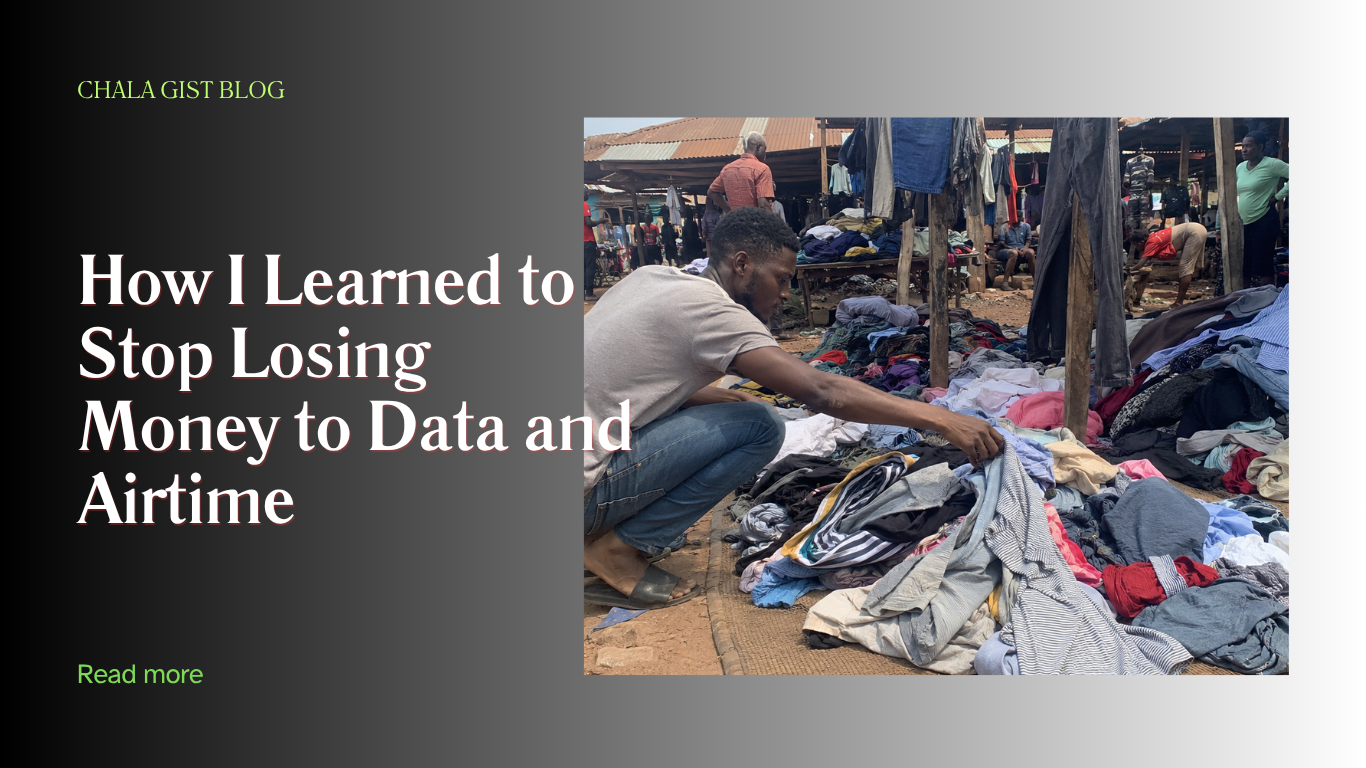
I still remember the first time I did “bend-down-select” as a fresher. I had followed a coursemate to the popular okrika spot close to our hostel, half-expecting to leave with nothing because everything looked like a mountain of confusion — shirts, wrappers, belts, one shoe without its pair, all mixed on a big mat. Forty-five minutes of squatting, sweating, and digging later, I walked away with two pairs of jeans, three t-shirts, and a corduroy jacket that people still compliment me on today. Total cost? Less than what I would have paid for one new shirt at a boutique in town.
That was the day I stopped seeing okrika as a “last resort” and started seeing it as a skill. And if you’re a Nigerian student trying to stretch a tight allowance while still stepping out looking good, this guide is everything I wish someone had handed me before that first trip.
What Okrika Actually Means (And Why It’s Called Something Different Everywhere)
Funny enough, “okrika” isn’t just a random word. It’s named after Okrika, a town and local government area in Rivers State that used to be one of the major entry points for bales of used clothing coming into the country. The name simply stuck, and now it’s used all over Nigeria for secondhand clothes, even in places thousands of kilometres from Rivers State.
But depending on where you school, you’ll hear it called different things. In the East, some people say “bend-down-select,” describing exactly how you shop — bending over a mat to dig through a pile. Up north, it’s often “gwanjo.” In parts of Benin, it’s “aloko.” You’ll also hear “akube” and “boskoro” from older traders. The newer generation, especially on social media, prefers the word “thrift,” which usually refers to the more curated version of the same market — pieces hung on hangers and picked out by the seller, at a slightly higher price than what you’d pay digging through the mat yourself.
Same market, different presentation, different price tag. Knowing this difference alone will save you money, because a lot of “thrift” sellers online are simply reselling okrika at a markup after doing the sorting work for you.
Why Okrika Is Having a Real Moment Right Now
If you’ve noticed more people — even those who used to turn their nose up at secondhand clothes — suddenly proud to say “I got this from thrift,” you’re not imagining things. Two things are driving it.
First, money. With how the naira has been behaving and how much boutique prices have jumped, thrift has stopped being just an option for students and become the smart move for almost everyone, including people who never used to shop this way. When brand-new clothes cost what they cost now, spending three times as much for something you’ll wear the same number of times just doesn’t make sense anymore.
Second, social media flipped the script. Okrika used to carry a bit of shame — something you didn’t want people to know about. Now it’s the opposite. People film themselves doing bend-down-select, post “thrift haul” videos, and show off “drip on a budget” outfits built entirely from market finds. A well-styled thrift outfit gets more respect on campus right now than a mediocre new one. The stigma didn’t disappear because people suddenly became more sensible; it disappeared because looking good on a budget became something to show off rather than hide.
For students specifically, this is good news. It means you can shop the exact same markets your grandmother’s generation was quietly embarrassed about, and now it’s actually considered stylish to talk about it.
Where to Actually Find Good Okrika as a Student
Physical Markets (Bend-Down-Select)
Every city with a major market has an okrika section, and most university towns have one within walking or bike-hailing distance of campus. If you’ve already mapped out your semester spending, this fits right into that plan.
A few things to know about how these markets work:
- Bale opening days matter. Sellers open fresh bales on specific days (often once or twice a week). The stock is freshest and the variety is best right after a bale opens, but sellers are less flexible on price that same day because everyone wants first pick.
- Later in the week, prices soften. Once a bale has been picked over for a few days, sellers are more willing to let go of remaining pieces cheaply just to clear space for the next bale.
- Early morning is prime time. Serious thrifters go early, before the crowd, when the pile is still full and less trampled.
Ask around your department or hostel for the closest known spot — nearly every Nigerian university town has one that’s become the unofficial go-to for students, the same way it works at markets like Choba near UNIPORT or Mile One in Port Harcourt.
Online Thrift Pages and WhatsApp Groups
If you don’t have the time or patience for bend-down-select, plenty of student-run Instagram and WhatsApp thrift pages now do the sorting for you. You’ll pay more than floor price, but you’re paying for convenience and curation — someone already picked the good pieces out of the pile so you don’t have to.
Some pages run “thrift raffles,” where you pay a fixed amount for a random pull from a curated pile — a fun but slightly riskier way to shop that’s become popular among students who enjoy the surprise element.
How to Check Quality Before You Buy
This is the part most people skip, and it’s the reason some students end up disappointed with okrika. Before you commit to anything, run through this checklist:
- Check the seams and stitching. Loose threads at the seams are a warning sign the item won’t survive many washes.
- Stretch the fabric slightly. Good fabric bounces back. If it stays stretched or looks thin when held to light, leave it.
- Do the sniff test. A heavy, sweet perfume smell is often used to mask mustiness. If it smells strongly of anything besides normal fabric, be cautious.
- Inspect armpits, collars, and the crotch area. These are where old stains hide, and some stains never fully come out no matter how you wash them.
- Test zippers and buttons. Pull the zipper up and down, and tug gently on buttons, before you pay.
- Hold it up to light for tiny holes. Moth damage often shows as small pinholes you won’t notice under normal market lighting.
- Don’t trust the size tag. Sizing from different countries and decades varies wildly. Hold it against your body or a similar item you already own instead of relying on the label.
Doing this properly takes an extra two or three minutes per item, but it’s the difference between a find you’ll wear for two years and one that falls apart after two washes.
What to Budget: Realistic Okrika Prices for Students
Prices shift depending on your state, the market, and how the naira is doing that particular month, so treat these as ballpark ranges rather than fixed prices — always confirm with sellers directly.
| Item | Bend-Down-Select (Floor Price) | Curated/Hanging Selection |
|---|---|---|
| T-shirts / tops | ₦500 – ₦1,500 | ₦2,000 – ₦4,000 |
| Jeans / trousers | ₦1,500 – ₦3,000 | ₦4,000 – ₦7,000 |
| Men’s shirts (button-down) | ₦1,000 – ₦2,500 | ₦3,000 – ₦5,500 |
| Jackets / hoodies | ₦2,000 – ₦5,000 | ₦6,000 – ₦12,000 |
| Sneakers / shoes | ₦2,500 – ₦6,000 | ₦7,000 – ₦15,000 |
| Native wear / gowns (women) | ₦1,500 – ₦4,000 | ₦5,000 – ₦10,000 |
A realistic full outfit — top, bottom, and shoes — from floor-price bend-down-select can cost less than a single new shirt from a boutique. That gap is exactly why the market has grown the way it has.
Don’t Skip This: Disinfecting Your Finds Before You Wear Them
Okrika comes from unknown hands, so hygiene isn’t optional. Before anything touches your body:
- Soak the item in hot water for at least 20–30 minutes, ideally with a cup of antiseptic like Izal or Dettol, or a mix of salt and vinegar.
- Wash separately from your other clothes the first time, especially anything you plan to wear close to your skin.
- Sun-dry rather than drying indoors — Nigerian sun does a lot of the disinfecting work for free.
- Iron with steam, paying extra attention to seams and collars, where bacteria tends to hide longest.
Skip this step at your own risk. It only takes one bad skin reaction to make you regret rushing straight from the market mat to your wardrobe.
Bargaining Like You Actually Mean It
Nigerian market culture rewards confidence, not aggression. A few things that consistently work:
- Go with a friend. Sellers often soften faster for a small group than for someone shopping alone.
- Don’t show excitement. The moment your face lights up over an item, the price goes up in the seller’s head.
- Know your ceiling before you ask. Decide what you’re willing to pay before the seller quotes a price, so you’re not negotiating against yourself.
- Buy more than one item from the same seller. Bulk purchases almost always earn a better final price than single items.
- Cash sometimes gets a better deal than transfer, especially in markets where sellers deal with network issues.
Turn Your Thrift Eye Into a Side Hustle
Once you get good at spotting quality pieces cheap, you’re sitting on a genuine income stream. Plenty of students now buy from bend-down-select, clean the pieces up properly, and resell them on WhatsApp status, Instagram, or campus groups at a fair markup — something worth exploring alongside other student income ideas. The startup cost is low compared to almost any other hustle, since you’re not buying new inventory or renting a shop; you just need a good eye, some patience, and a little capital to start.
Common Mistakes Students Make When Thrift Shopping
- Buying purely because it’s cheap, without checking if it actually fits or suits you.
- Not setting a thrift budget separate from your daily allowance, which leads to overspending in the “market mood.”
- Ignoring visible stains, assuming “it will wash off” — sometimes it genuinely won’t.
- Paying the first price quoted, especially as a newcomer sellers can spot from a distance.
- Trusting a seller’s word that something is “first grade” without checking it yourself — always verify with your own eyes and hands.
Frequently Asked Questions
Is okrika hygienic to wear? Yes, once you disinfect it properly before wearing. Soaking in hot water with an antiseptic, then sun-drying, removes the vast majority of the concern. Skipping this step is where the real risk lies, not the clothes themselves.
What’s the actual difference between “thrift” and “okrika”? They’re generally the same clothes at different stages. Okrika/bend-down-select is the raw, unsorted pile at floor price. “Thrift” usually refers to the same items after someone has sorted, cleaned, and hung the best pieces for a higher price.
How much should a student budget for thrift shopping monthly? This depends entirely on your overall allowance, but many students set aside a small, separate amount specifically for thrift so it doesn’t eat into feeding or transport money.
What’s the best day or time to go bend-down-select? Early morning generally has the best stock. Right after a fresh bale opens gives you the widest variety, though prices soften a few days later once the pile has been picked over.
Can students really make money reselling thrift? Yes, it’s become a genuine and increasingly common side hustle, especially online, though it takes patience to build a customer base and an eye for what actually resells.
Final Thoughts
Looking back, that first bend-down-select trip taught me more about stretching money than any budgeting app ever has. Okrika shopping isn’t just about being broke as a student — it’s a skill, and once you learn it, you’ll wonder why you ever paid full boutique price for anything. Take your time, check quality properly, disinfect before wearing, and don’t be afraid to haggle. Your wardrobe and your allowance will both thank you.
MORE TO CHECK OUT:
- How to Organize a Nigerian Hostel Room on a Small Budget
- DIY Reading Table for Under ₦10k: How I Built Mine in a Weekend
- How I Fixed My Leaking Tap in My Hostel Room Without Calling a Plumber
- How to Decorate a Small Hostel or Lodge Room Without Spending Much As a Student
- How to Make Your Room Smell Good and Stay Clean With Limited Space
- How to Deal With NEPA (Power) Outages as a Student
-
DIY Mosquito-Proofing Your Room: How I Stopped Fighting Mosquitoes Every Night in My Hostel
-
How to Soundproof a Thin Hostel Wall Cheaply (Without Wahala or Wasting Money)
-
How to Budget Your Semester Allowance as a Nigerian Student (To Avoid Borrowing From Loan Apps)
-
10 Cheap Foodstuff Combos That Actually Fill You Up on Campus (2026 Guide)
-
How to Cook Without a Kitchen: Hostel-Friendly Meals With One Burner
-
How I Learned to Stop Losing Money to Data and Airtime as a Nigerian Student (2026 Guide)


 Chala Gist